Common Headshot Mistakes That Keep You From Casting Calls
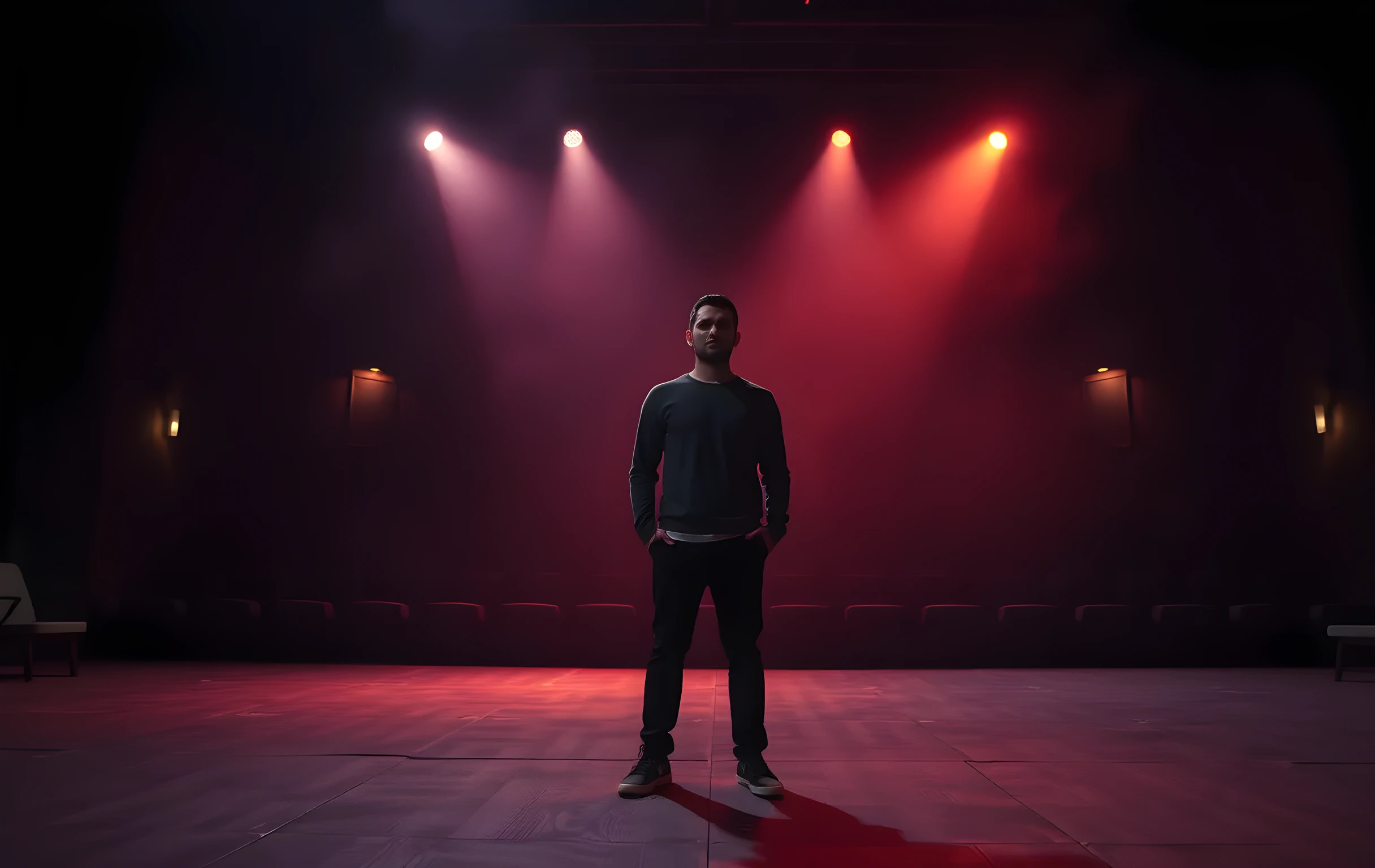
Lighting That Erases Your Natural Type
Flat, harsh, or mismatched lighting flattens your bone structure and washes out your specific casting type. Directors need to see how your face catches light in an audition room or on set. When shadows disappear or blow out, your unique dimensions vanish, and you blend into the background of every other submission.
Proper directional lighting sculpts your features and signals professional readiness. A skilled photographer uses contrast to highlight your eyes and jawline, creating depth that translates on camera. This visual clarity tells a casting team exactly who you are before they watch a single frame of your reel.
Avoid ring lights and overhead fluorescents that create unnatural halos or muddy textures. Instead, request a lighting setup that mimics practical set conditions. You need a portrait that reads clearly on a phone screen during a busy casting session, not one that requires adjustment to understand your presence.
Wardrobe Choices That Clash With Your Brand
Clothing that competes with your face or contradicts your casting type immediately breaks your findability. Loud patterns, busy logos, or overly styled outfits distract from your natural screen presence. Casting directors are searching for specific archetypes, and your wardrobe must support that search, not sabotage it.
Solid colors that complement your skin tone and create separation from the background are essential. You want to look like a working actor who understands on-camera continuity, not a fashion model. Simple, well-fitted layers that move naturally on camera signal that you are ready for the actual production environment.
Avoid high necklines that swallow your face or overly distressed vintage pieces that date your image. Stick to timeless, character-appropriate basics that let your eyes and expression lead. When your clothing disappears into the frame, your type emerges clearly, making you instantly castable for the roles you are built to play.
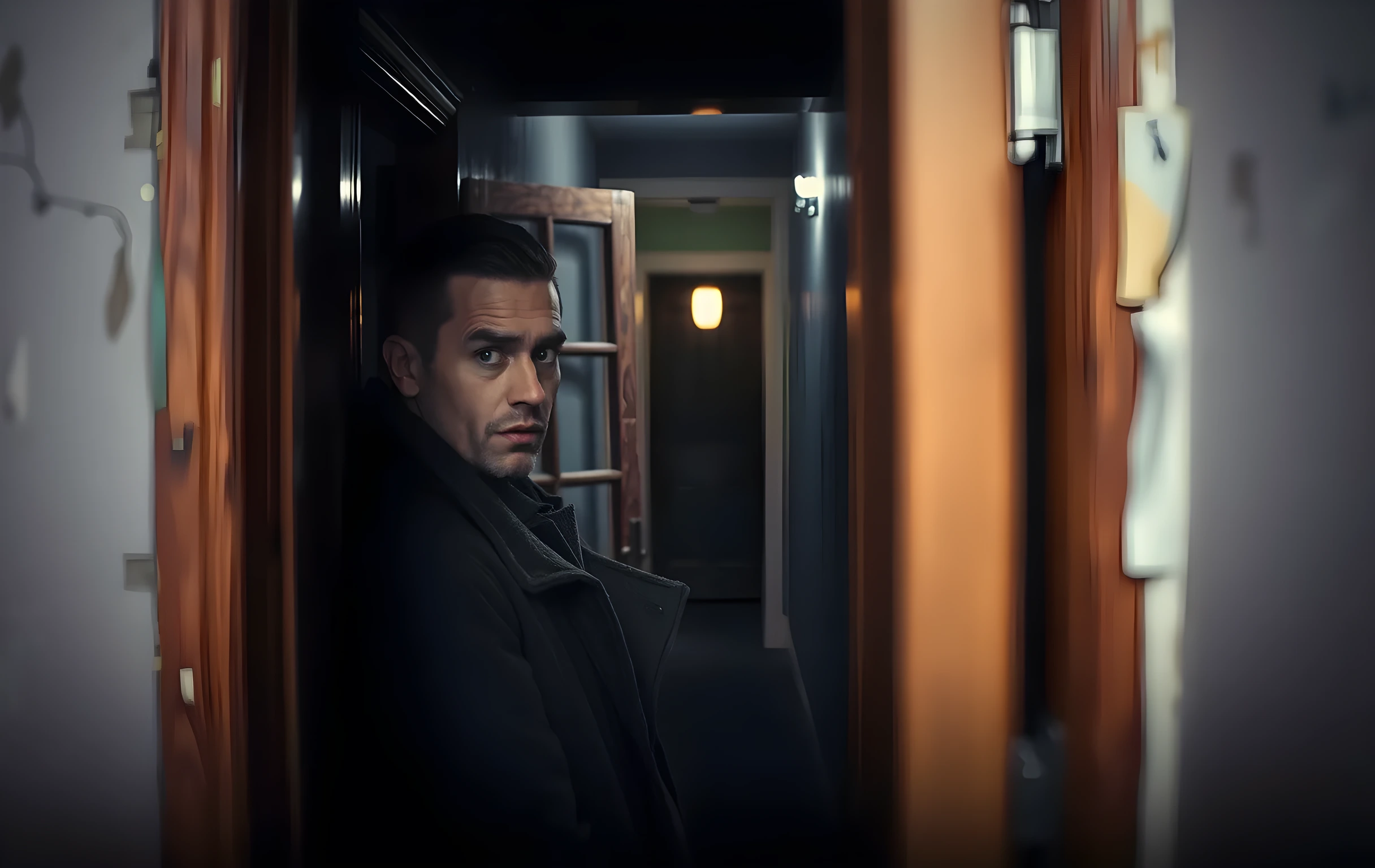
Posing That Blocks Your Expressive Range
Stiff shoulders and forced smiles flatten your emotional range and hide your authentic screen presence. Directors scan for actors who can embody complex characters, not pose for a catalog. When your posture locks your expression, you signal that you are uncomfortable with the medium, regardless of your actual training.
Natural alignment and relaxed breathing create a portrait that feels alive and ready for work. Your gaze should connect directly with the lens, establishing an immediate relationship with the casting team. Small adjustments in your angle can reveal your best features without looking manufactured or overly directed.
Avoid tilting your chin down to slim your face or crossing your arms in a defensive barrier. Instead, open your chest and let your eyes do the heavy lifting. A relaxed, grounded stance communicates confidence and professionalism, ensuring that your physicality reads as adaptable rather than rigid when directors review your portfolio.
Digital Presentation That Hurts Your Searchability
Over-retouched images and poorly formatted files actively work against your career growth. Smoothing out every texture or altering your natural proportions creates a bookable illusion that collapses in the audition room. Casting teams need to see exactly who they are hiring, and unrealistic edits break trust before you even walk through the door.
File optimization and accurate tagging determine whether your portfolio surfaces in modern search systems. Directors use advanced filtering tools to find actors by specific metrics, and outdated or heavy files slow down their workflow. Clean, compressed images paired with precise metadata ensure your work reaches the right desks at the right time.
Skip the heavy filters that create a uniform, algorithm-friendly look across your entire portfolio. Instead, prioritize consistency in quality, framing, and professional presentation. When your digital assets load instantly and match industry standards, you remove every technical barrier between your talent and the next booking opportunity.