How Actors Actually Get Cast in the Modern Industry
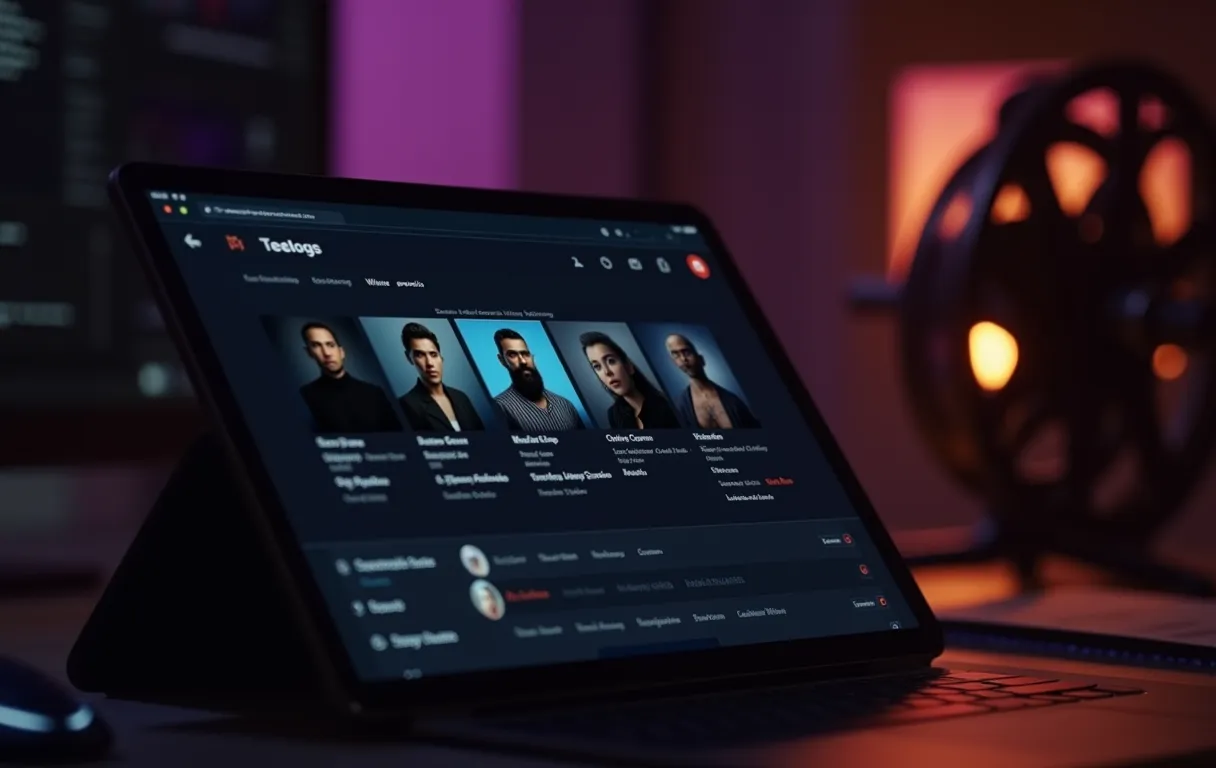
How Casting Directors Search for Talent
Casting workflows begin with digital filters long before a human eye touches a headshot. Casting associates input character parameters into casting software, which instantly cross-references thousands of profiles against location, age range, union status, and specific skill tags. Your metadata determines whether you surface in those results or vanish into the database.
The algorithm does not care about your artistic depth if your searchable fields are incomplete or outdated. Missing union codes, incorrect headshot categories, or unlisted training credentials will automatically disqualify you from targeted searches. Casting platforms prioritize profiles that match the exact syntax of their internal query structure.
Consistency across your professional ecosystem directly impacts your casting visibility. When your name, contact details, and core attributes align across your website, casting databases, and social channels, you reduce friction for casting teams. The goal is simple: make it impossible to overlook you when they run their daily talent queries.
Building a Searchable Professional Profile
Your professional profile functions as your digital audition tape for casting directors. Every headline, bio line, and credit entry must contain industry-standard terminology that casting associates actually use in their search filters. Avoid vague artistic descriptions in favor of precise, searchable keywords like character type, physical attributes, and verified training.
Headshots and reels require the same structural discipline as your textual metadata. Casting platforms categorize profiles based on headshot style, genre specialization, and video format, so your imagery must explicitly signal your market niche. High-quality, well-lit visuals that clearly show your face and frame reduce the cognitive load for casting teams scanning hundreds of profiles.
Technical accuracy turns your profile from a passive portfolio into an active booking engine. Ensure your contact information is standardized, your location field matches your primary work market, and your availability status updates in real time. Casting directors routinely filter out profiles with outdated information or broken links, so maintenance is a non-negotiable professional habit.

Why Industry Databases Drive Bookings
Industry databases operate as the invisible gatekeepers of modern casting opportunities. Casting directors rely on these centralized repositories to quickly filter, compare, and shortlist talent based on hard data points. Your presence in these systems directly correlates with your ability to receive official breakdowns and submission invitations.
Data completeness dictates your reach across multiple casting platforms simultaneously. When your profile syncs accurately with industry-standard databases, you automatically qualify for broader distribution channels that feed directly into major production offices. Incomplete or fragmented data restricts your visibility to only the most basic search results.
Strategic database management means treating your professional data like a business asset rather than a creative portfolio. Regular audits of your credited roles, updated headshots, and verified training records keep your algorithmic ranking high. Casting associates consistently note that actors with meticulously maintained database profiles receive more callbacks and faster response times.
Turning Visibility Into Consistent Auditions
Visibility without conversion strategy leaves actors chasing opportunities instead of attracting them. Your digital presence must channel search traffic toward clear, industry-standard submission pathways. When casting directors land on your profile, they should instantly find your reel, contact details, and professional credits without navigating unnecessary barriers.
Consistent audience building requires aligning your public content with casting decision makers rather than the general public. Share behind-the-scenes training, character breakdowns, and industry insights that demonstrate your professional commitment to casting teams. This targeted approach signals to industry algorithms that your profile belongs in professional casting workflows, not just entertainment feeds.
The bridge between digital visibility and booked roles relies on measurable professional habits. Track which keywords generate profile views, monitor submission response rates, and update your metadata quarterly to match current casting trends. Actors who treat their online presence as a dynamic business tool consistently outperform those who treat it as a static archive.