Acting Business

Mastering the Pose for Your Professional Acting Headshot
By VisibleActor · October 12, 2025 · 6 min read
headshotscasting callsactor portfolioon camera
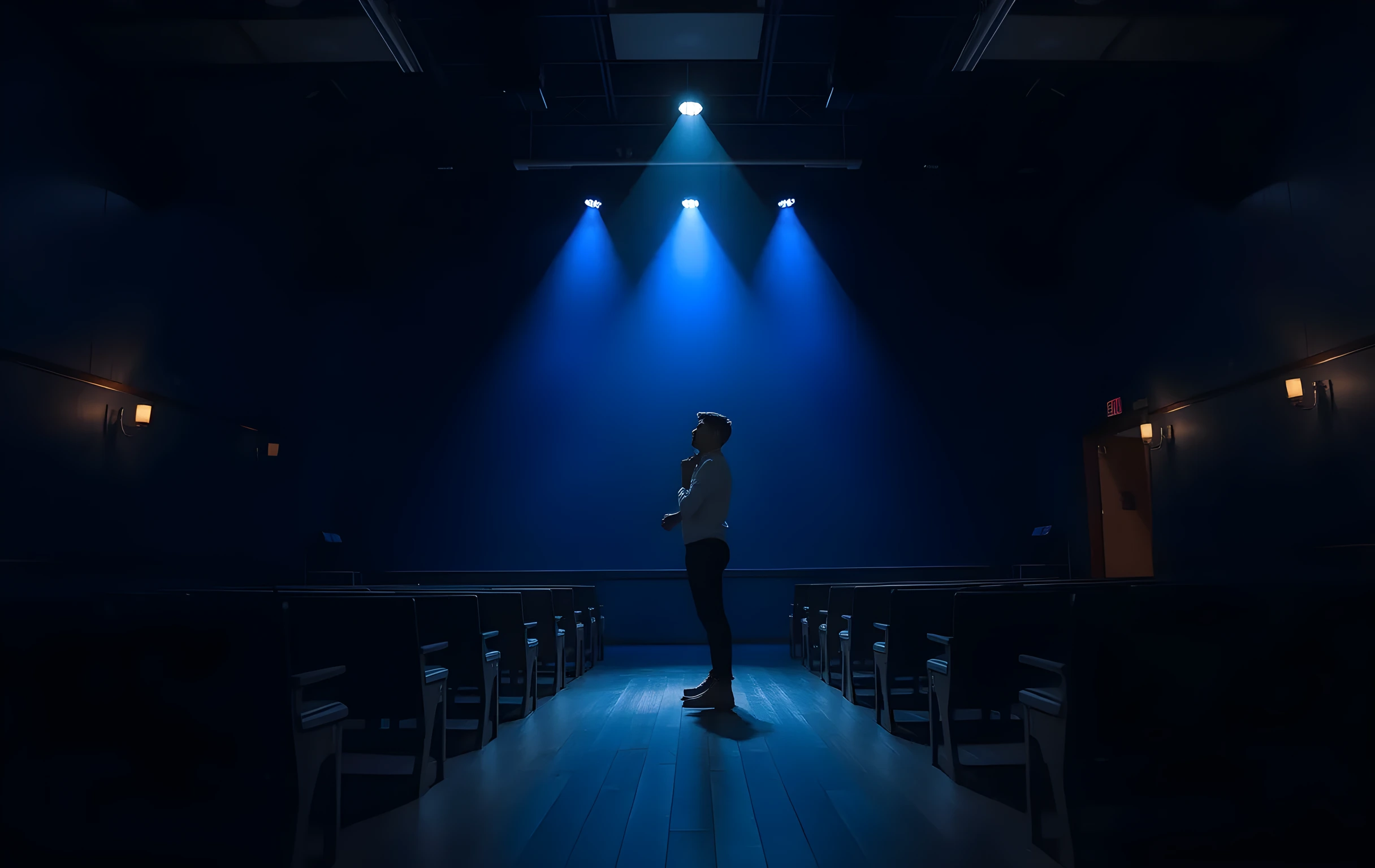
A dimly lit rehearsal hall where a single performer stands center stage under a cool blue spotlight, adjusting their posture while a row of empty wooden seats stretches into the shadows behind them. Dust motes float in the light beam and the floorboards catch the faint reflection of the overhead rigging
A dimly lit rehearsal hall where a single performer stands center stage under a cool blue spotlight, adjusting their posture while a row of empty wooden seats stretches into the shadows behind them. Dust motes float in the light beam and the floorboards catch the faint reflection of the overhead rigging.

Direct Your Eyes To The Lens

Treat the camera lens as a fellow actor sitting across from you during a table read. Lock your gaze directly into the glass rather than scanning the room or looking at your own reflection in the viewfinder. This technique creates immediate intimacy and signals confidence to casting directors who need to see your focus under pressure.

Avoid widening your eyes in an attempt to appear more alert, as that habit looks unnatural on camera and drains energy from your delivery. Instead, soften your lower lid and imagine you are listening to a compelling story about the character you are playing. That subtle shift transforms a static portrait into a living moment of connection.

Angle Your Face For Natural Light

Position your face slightly off-center to allow directional lighting to sculpt your cheekbones without flattening your features against a harsh backdrop. Turning just ten degrees away from the camera adds dimension while keeping your profile instantly recognizable to industry professionals who have seen you work before.

Keep your chin parallel to the floor or tilted down by a fraction of an inch to prevent double chins and maintain a relaxed neck line. Over-angling your head upward creates unflattering shadows under the eyes and jaw, which distracts from the emotional truth you are trying to communicate in the frame.
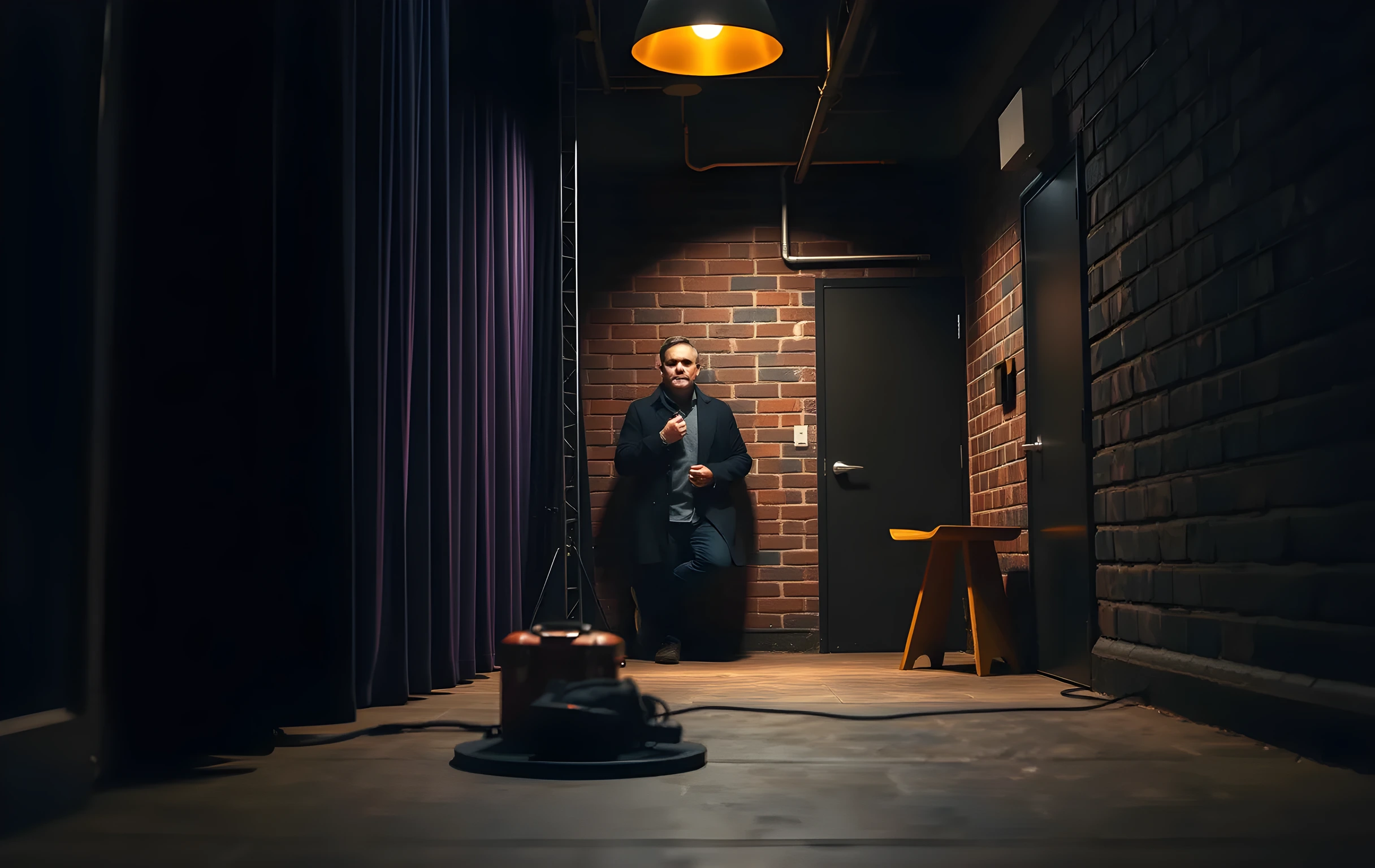
A quiet backstage corridor where a working actor leans against a painted brick wall near a heavy velvet curtain, adjusting their jacket collar while stage crew equipment sits blurred in the foreground. The warm practical lamp above casts long dramatic shadows across the concrete floor and highlights the texture of the worn floorboards
A quiet backstage corridor where a working actor leans against a painted brick wall near a heavy velvet curtain, adjusting their jacket collar while stage crew equipment sits blurred in the foreground. The warm practical lamp above casts long dramatic shadows across the concrete floor and highlights the texture of the worn floorboards.

Let Your Shoulders Drop And Breathe

Tension lives silently in the trapezius muscles and travels straight to your jaw, making you look guarded rather than ready for a role. Take a deep breath through your nose, allow your collarbones to sink downward, and exhale fully before holding the position so your chest remains open and your posture feels grounded.

Relax your hands by uncurling your fingers slightly or resting them lightly against your lap instead of gripping your jacket or crossing your arms tightly. Stiff limbs read as anxiety on camera and limit the physical range you will demonstrate when you step into an actual audition room.

Match Your Pose To The Role Type

Shift your weight onto one hip and angle your shoulders differently depending on whether you are booking dramatic theater, commercial lifestyle work, or television procedurals. A slight forward lean with an open palm suggests approachability for comedy, while a squared stance with a relaxed gaze conveys authority for thriller casting.

Use minimal hand placement only when it frames your face or suggests a specific character habit without drawing attention away from your eyes. Keep fingers loose and avoid props that require explanation, because the image must communicate your casting type instantly to busy coordinators reviewing hundreds of submissions per hour.

Frequently asked

How close should my head be to the camera?
Your head should fill roughly seventy percent of the frame with a clean margin above the crown and below the chin. This framing ensures your eyes remain sharp while casting directors can still read your facial micro-expressions without cropping awkwardly. Always follow your photographer's specific crop guidelines for each submission platform.
Should I smile or keep a neutral expression?
Match your expression to the type of work you are actively booking right now. Neutral or slightly warm expressions work best for dramatic and theatrical reels, while genuine relaxed smiles suit commercial and lifestyle projects. Never force a grin if it tightens your neck or changes your bone structure.
How can I avoid looking stiff in my headshot?
Release tension by shifting your weight slightly off-center and keeping your tongue pressed gently against the roof of your mouth. This simple adjustment relaxes the jaw, softens the neck lines, and opens your throat for natural vocal projection. Move slowly into the pose rather than snapping into position.
Should I use my hands in the pose?
Place your hands only when they add narrative context or frame your face without drawing attention away from your eyes. Rest them lightly on your collarbone, hold a script near your chest, or let them fall naturally at your sides depending on the character you are embodying. Keep fingers relaxed and never cross them tightly.

← All articles