Tracing The First Actor In Recorded Theater History
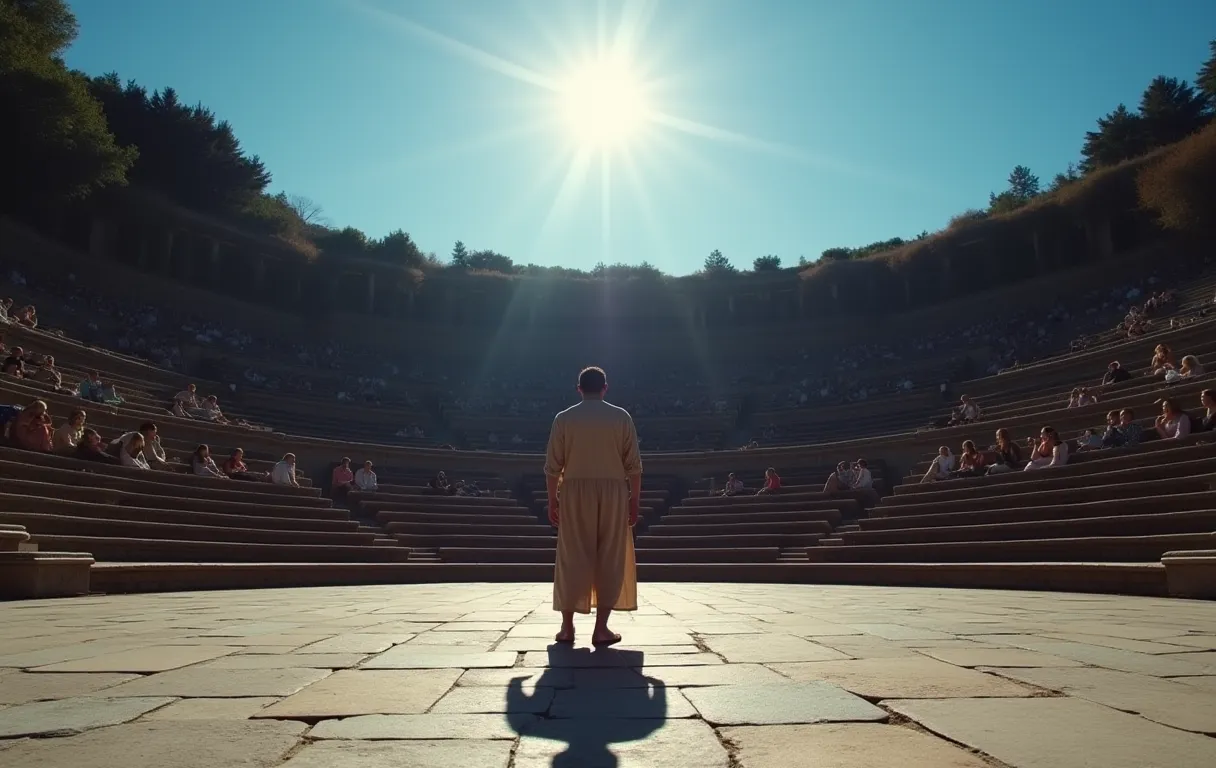
Thespis And The Birth Of Drama
Ancient Greek records credit Thespis with stepping out of the dithyrambic chorus to respond to the chorus leader as an independent character. This single move introduced dramatic dialogue and created the first recognizable performer separate from the ensemble. Athenian festivals rewarded this innovation with the inaugural tragedy competition, permanently shifting theater toward individual interpretation.
Thespis did not invent storytelling or ritual performance, but he established the technical framework of acting. By adopting a mask and delivering distinct lines, he gave casting directors across millennia a clear model for character differentiation. Every actor who claims a role today stands on that same structural foundation.
Ritual Origins And Prehistoric Performance
Long before written records, humans enacted myths through dance, chant, and controlled mimicry in sacred spaces. Anthropologists trace these practices to Neolithic burial rites and seasonal harvest ceremonies where individuals temporarily embodied deities or ancestral spirits. These early rituals required precise physical control and vocal projection, the core mechanics of stagecraft.
The transition from group ritual to individual acting happened gradually across Mediterranean and Asian cultures. Egyptian mystery plays and Sanskrit natya shastra texts later codified gesture, costume, and emotional expression into teachable systems. Thespis simply captured an existing cultural shift and formalized it for public competition.

Evolution From Chorus To Individual
Classical Athenian tragedy expanded from a single actor to two, then three, allowing complex conflict and layered character dynamics. Playwrights like Aeschylus and Sophocles used additional performers to explore psychological depth, proving that acting required more than just vocal delivery. The craft gradually shifted toward internal motivation and physical transformation.
Roman theater adapted Greek techniques for broader entertainment, while medieval mystery plays reintroduced communal performance for religious instruction. The Renaissance later revived classical acting methods, emphasizing naturalism and emotional truth over stylized chant. Each era refined the tools performers use to communicate clearly to a room or a camera.
Why Visibility Defines Modern Acting
Casting directors cannot hire actors they cannot locate, making digital presence as essential as vocal training or physical range. The modern industry relies on searchable profiles, verified credits, and platform optimization to connect working performers with auditions. Being findable online transforms historical craft into contemporary opportunity.
Just as Thespis needed recognition at the Dionysia to launch his career, today actors must ensure their professional identity appears across casting databases, industry search engines, and AI-driven discovery tools. Visibility is not vanity, it is professional infrastructure. Master your digital footprint and let casting find you.